Learning that your home needs a
whole-house repipe often raises immediate concerns about time, inconvenience, and expense. While repiping is a significant project, modern techniques make the process far more efficient and controlled than many homeowners expect. Understanding each phase can help you prepare with confidence.
For many properties in
Orange County, repiping becomes necessary as plumbing systems age. Older galvanized steel and aging copper pipes are prone to corrosion, leaks, pressure issues, and water discoloration. A complete repipe replaces these failing lines with modern materials such as
PEX or copper, restoring reliability and long-term performance.
The Process at a Glance
A whole-house repipe is not a demolition project. It is a systematic upgrade of your home’s water delivery system, typically completed in just a few days.
Initial Evaluation and Project Planning
Every repiping project begins with a detailed in-home assessment. A licensed specialist evaluates pipe materials, layout, fixture locations, and any history of leaks or slab issues. This allows the contractor to determine the most efficient routing for new water lines while minimizing wall access.
Homeowners receive a written estimate, material recommendations, and a projected timeline. This stage is focused on planning and communication, not construction.
Typical timeframe: 1–2 hours
Impact on home: None
Preparing the Home
Before installation begins, work areas are protected and access points are identified. Homeowners may be asked to clear items from under sinks and move fragile wall décor. Floors and surfaces near work zones are covered to prevent dust or debris spread.
Most families remain in the home throughout the project.
Typical timeframe: First morning of project
Impact on home: Minimal and temporary
Installing the New Piping System
This is the core phase of the
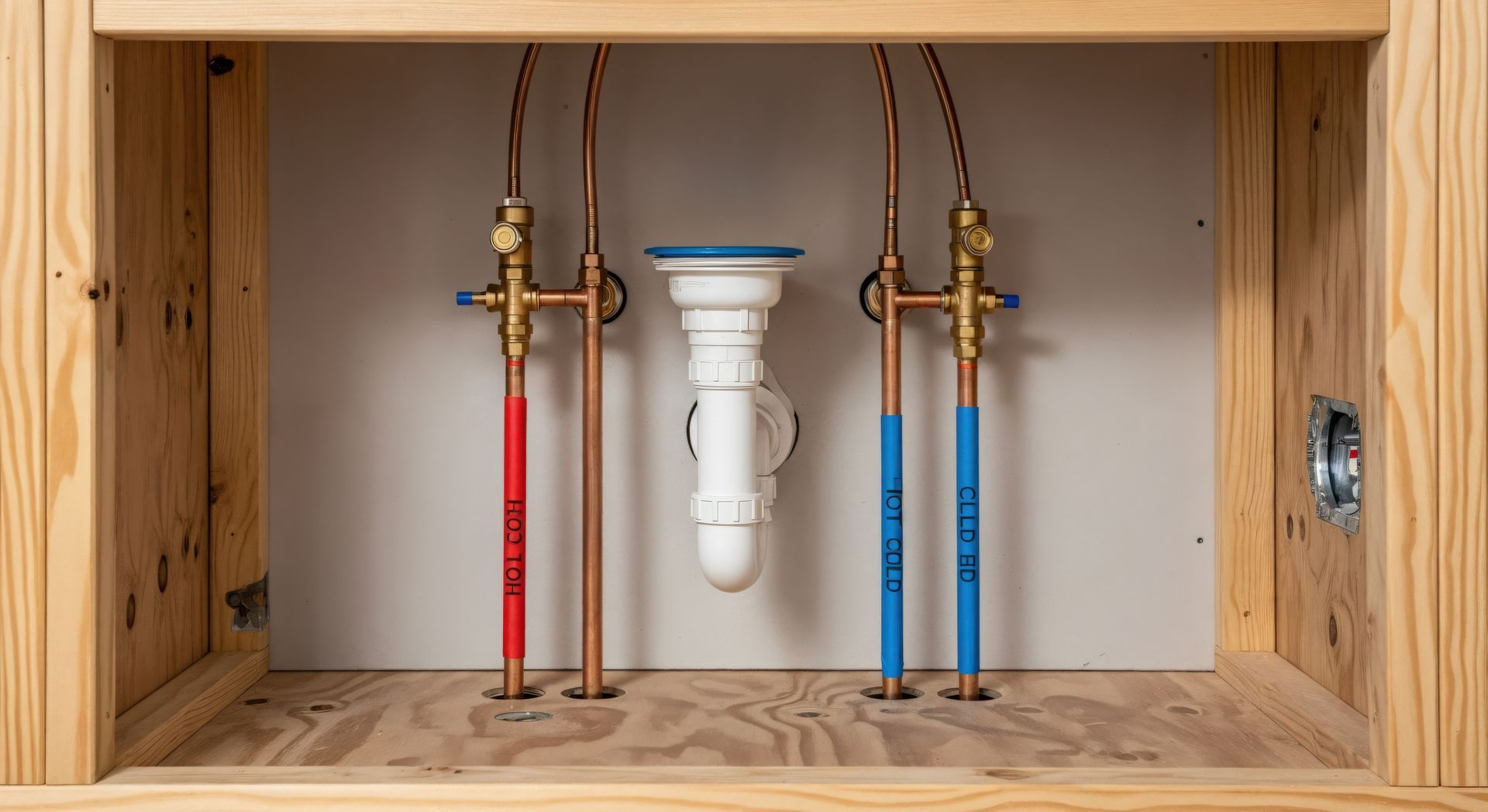
whole-house repipe. Technicians run new water lines through walls, ceilings, attics, or crawl spaces, depending on the home’s structure. Small, controlled openings are created where necessary to access plumbing routes.
Importantly, the old pipes are usually left in place but disconnected, which reduces the need for large-scale demolition.
Water service is typically shut off only during specific tie-in periods, and in most cases, water is restored at the end of each workday.
Typical timeframe: 1–3 days depending on home size
Impact on home: Moderate noise, limited wall access points
System Connections and Testing
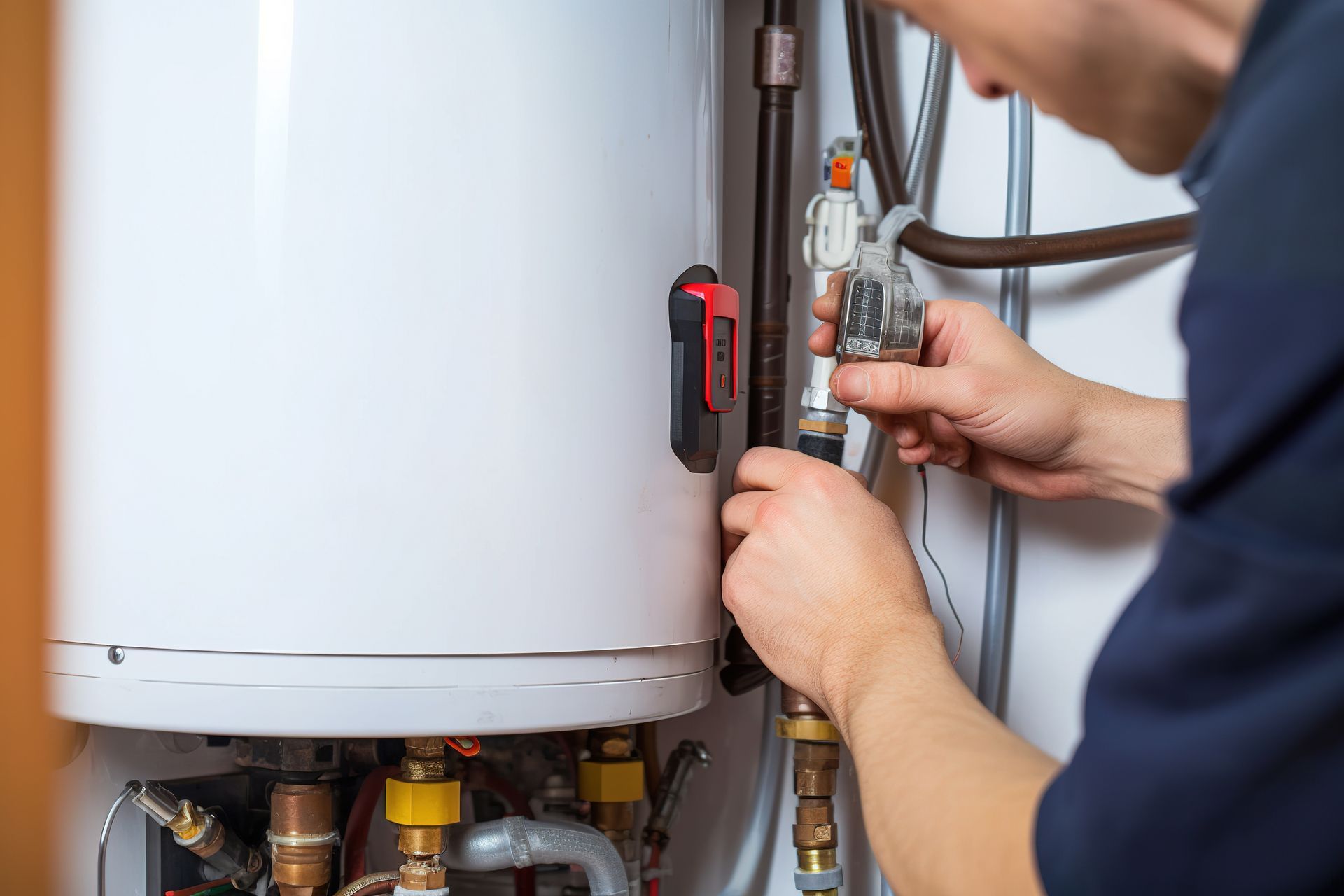
After the new lines are installed, each plumbing fixture — including sinks, showers, toilets, and appliances — is connected to the upgraded system. The plumbing is then pressure tested to verify leak-free performance and balanced water flow.
Local inspections may be required to ensure compliance with
Orange County plumbing codes.
Typical timeframe: Same day as final installation
Impact on home: Short, scheduled water shutoff
Wall Repairs and Project Completion
Once plumbing work is finalized and approved, wall openings are patched. Many repiping contractors include basic patching, while final paint or texture matching may be handled separately.
The work areas are cleaned, debris is removed, and a final walkthrough ensures all fixtures are operating properly.
Typical timeframe: 1 additional day for patching and cleanup
Impact on home: Minimal
How Long Does a Whole-House Repipe Take?
Most
Orange County whole-house repiping projects are completed in
two to five days. Larger homes or complex plumbing layouts may extend the timeline slightly, but repiping is considerably faster than many homeowners anticipate.
Understanding the Level of Disruption
Repiping does involve temporary inconvenience, but it is structured to minimize household disruption:
- Residents can usually stay in the home
- Water service is restored at the end of most days
- Wall openings are limited and strategically placed
- No major flooring or structural demolition is required
Advancements in plumbing installation methods have made
repiping services in Orange County far less invasive than older techniques.
Cost Considerations
The cost of a whole-house repipe varies based on:
- Square footage and number of fixtures
- Pipe material selected (PEX or copper)
- Accessibility of existing plumbing
- Permit and inspection requirements
While repiping is an investment, it prevents recurring leak repairs, water damage restoration, and emergency plumbing failures. For many homeowners, the long-term savings and property value protection outweigh the upfront cost.
Long-Term Benefits of Repiping
Once complete, a professionally installed repiping system provides:
- Consistent, improved water pressure
- Cleaner, clearer water
- Reduced risk of leaks and slab damage
- Greater plumbing reliability
- Increased home resale appeal
A whole-house repipe is not just a repair — it is a long-term infrastructure upgrade.
Final Perspective
For homeowners facing aging or failing plumbing, a whole-house repipe in Orange County offers a permanent solution rather than ongoing temporary fixes. With proper planning and an experienced contractor, the project is efficient, controlled, and designed to minimize disruption while delivering decades of reliable performanc